
The Journal
Notes from the practice.
Essays on how we work — the private market, the discipline of building under one roof, and the places we know street by street. Considered pieces, published when there is something worth saying.
Essays from the practice
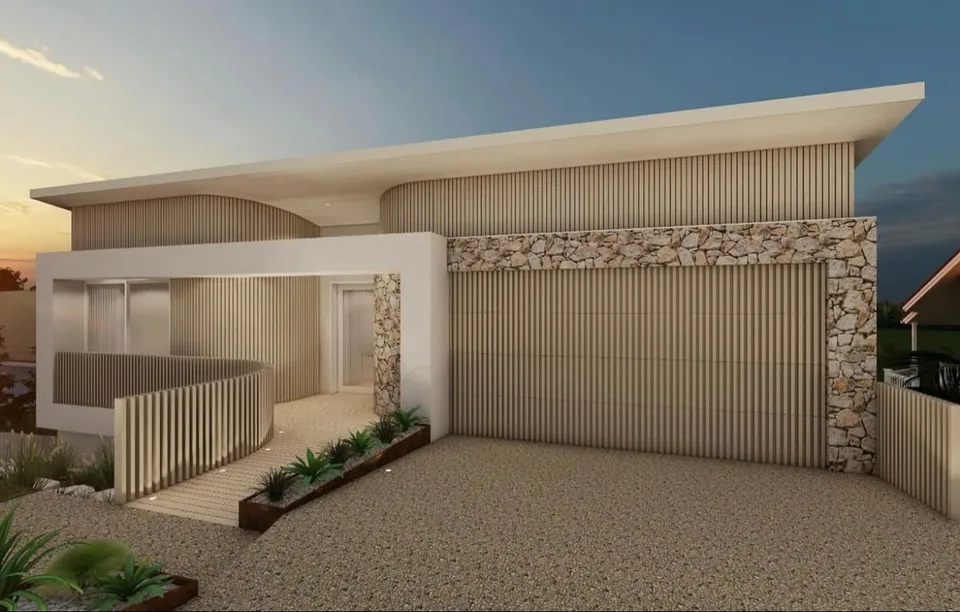
Every Number Needs an Address
Property-tax figures become useful when each one is tied to a specific parcel, tax year, and purpose.
Read →
The Room After Sunset
Plan the evening room before choosing its fixture: decide what must be visible, where light should arrive, and how every surface should carry it.
Read →
Storage Has Geometry
A useful storage plan begins with what must fit and how it must move, then lets depth, hardware, and finish become part of the room.
Read →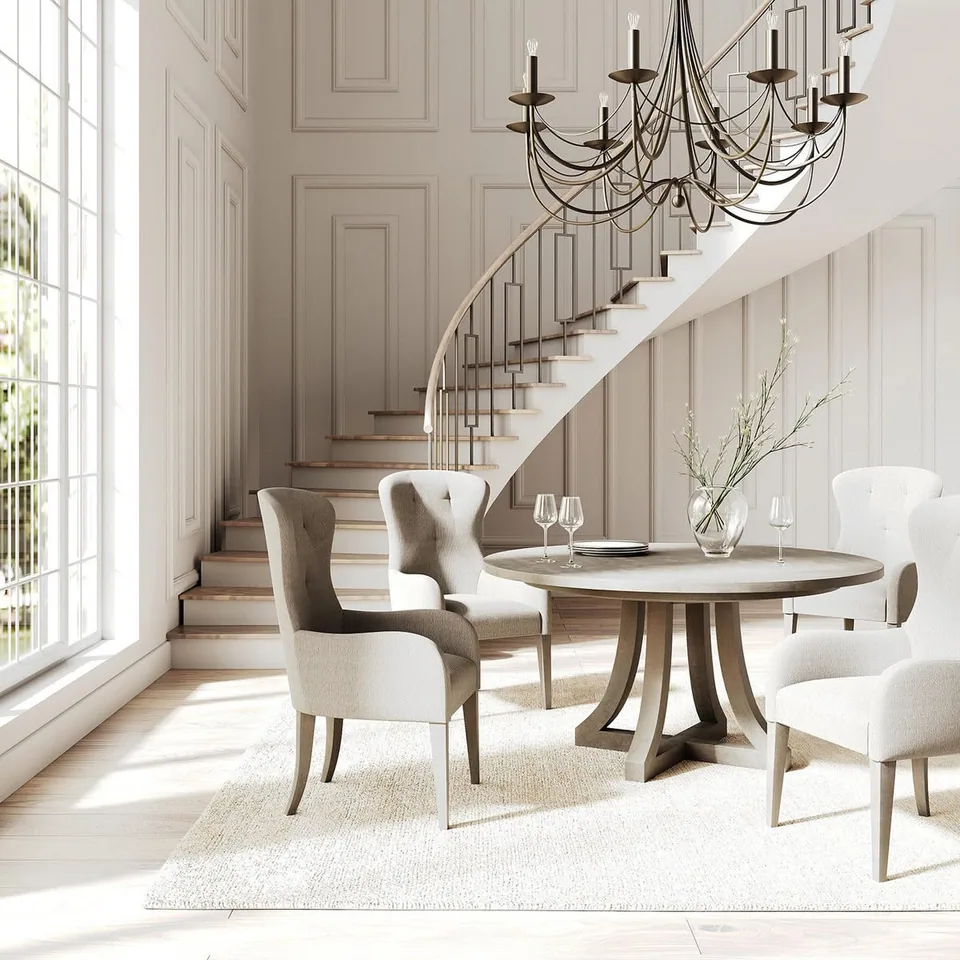
Disclosure Is Not Inspection
A seller disclosure and a home inspection report become more useful when their different scopes remain visible.
Read →
Before, Soon, Eventually
Possible work becomes easier to judge when every item has a time horizon instead of the same apparent urgency.
Read →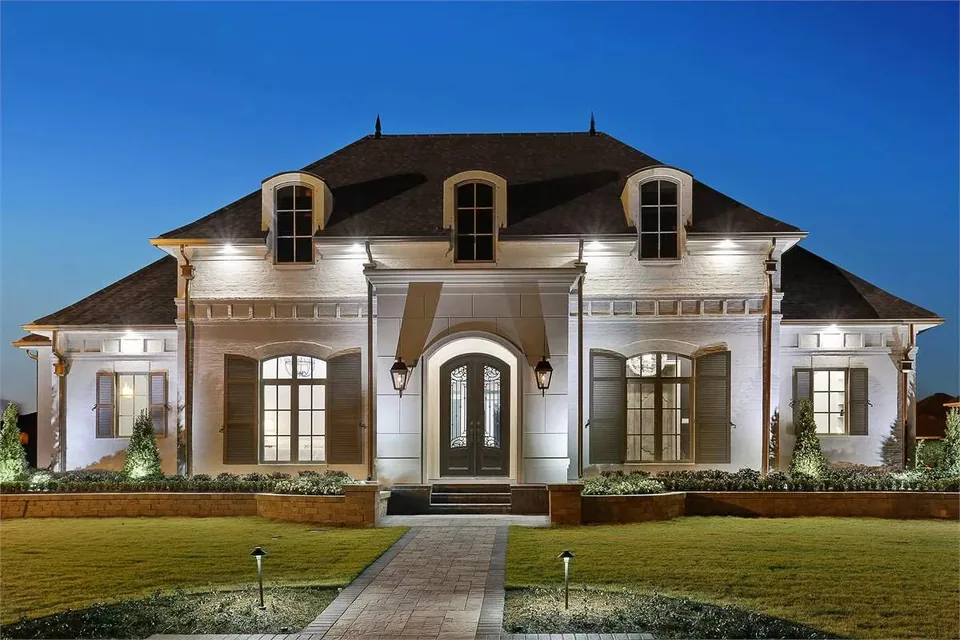
Hold the View Steady
A useful visual comparison keeps the frame constant long enough for one design change to become legible.
Read →
One Palette, Several Rooms
A palette can travel through a home without asking every room to repeat the same composition.
Read →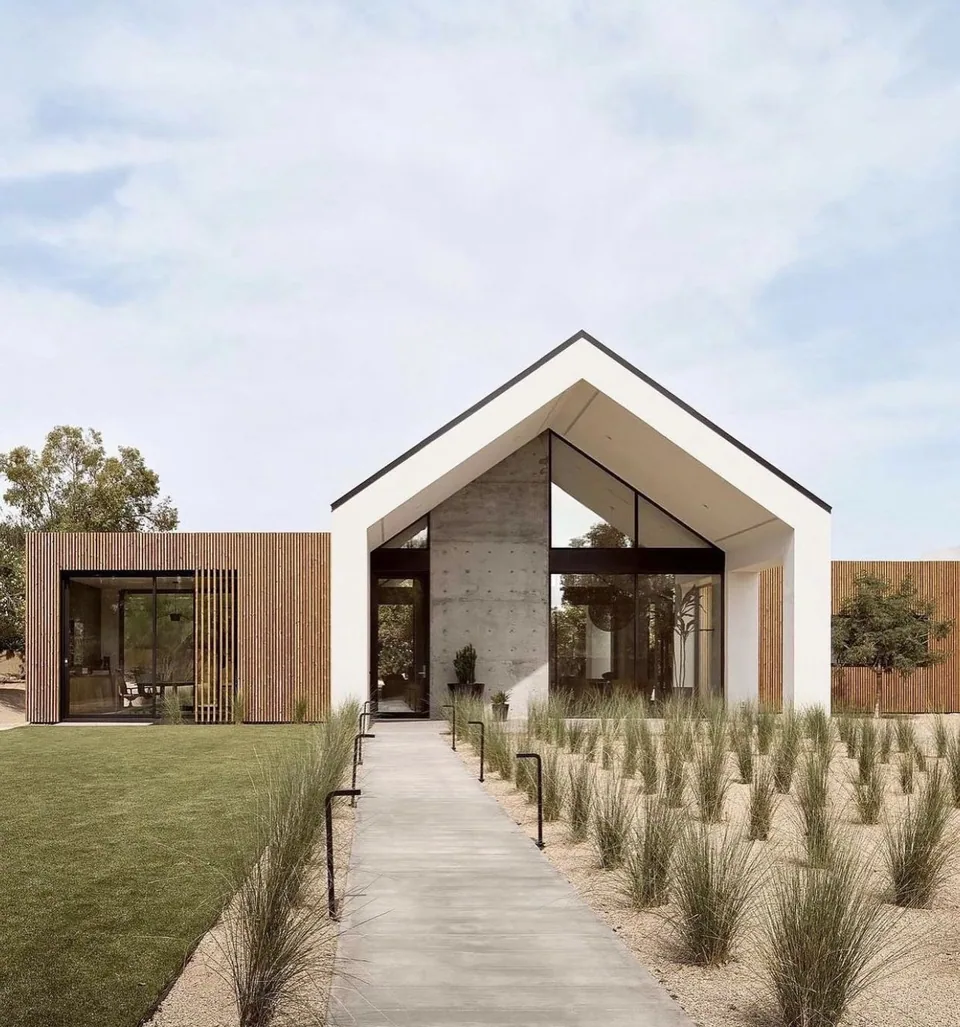
Read the Timetable
Access is a chain from address to destination and back; read every handoff against current operator evidence before it becomes a property claim.
Read →
When the Briefs Disagree
A coordinated property decision keeps realty, design-build, and material briefs distinct long enough to expose and resolve what does not yet agree.
Read →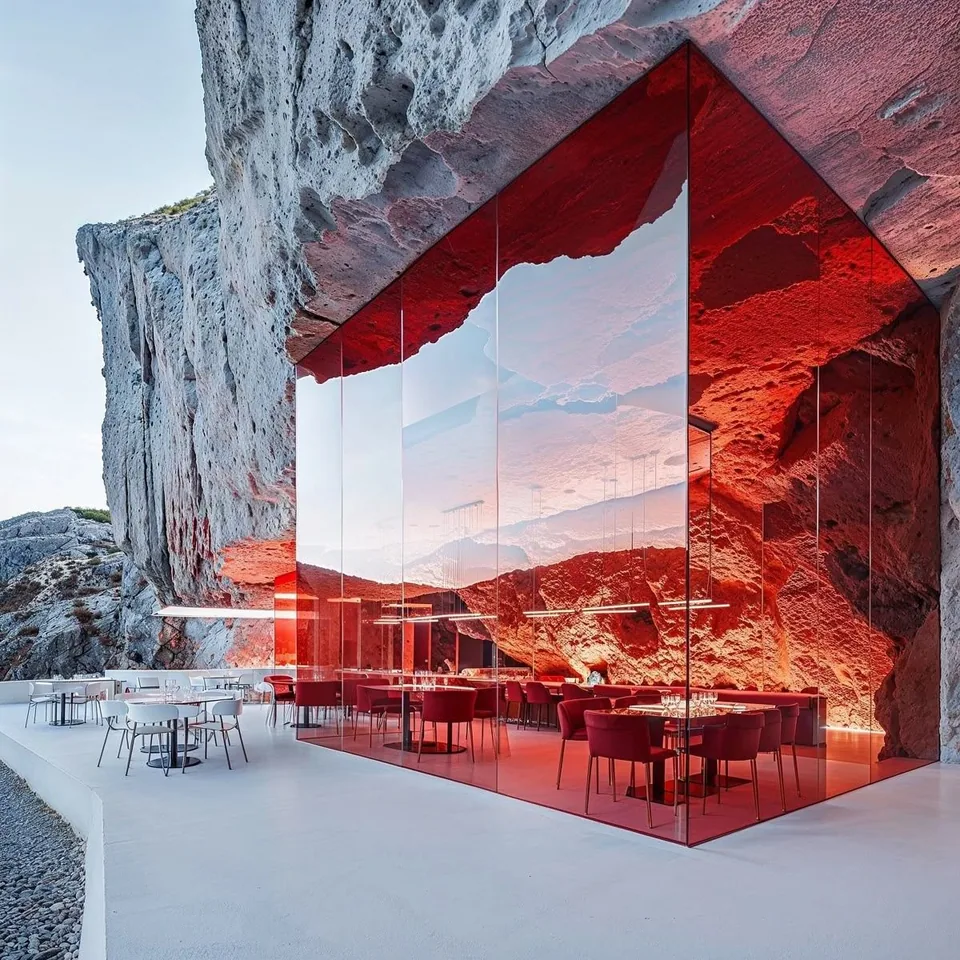
The Room on Either Side
A door is a relationship between rooms; its opening, movement, privacy, and material should be resolved from both sides.
Read →
Where the Pattern Starts
A material becomes part of the architecture when its scale, direction, repetition, seams, and cuts are composed across the whole room.
Read →
The Whole Offer
A strong offer is not one impressive number but a set of terms that describe the same prepared decision.
Read →
Existing Conditions
A renovation becomes more precise when the building already in place is treated as part of the brief.
Read →
Care, Specified
A finish decision is incomplete until its ordinary care, acceptable change, and path to repair are clear.
Read →
Before the Camera
A listing photograph should record a property that has already been clarified, edited, and made coherent.
Read →
What Warm Means
Taste becomes useful when a feeling is translated into conditions that every discipline can see, test, and carry forward.
Read →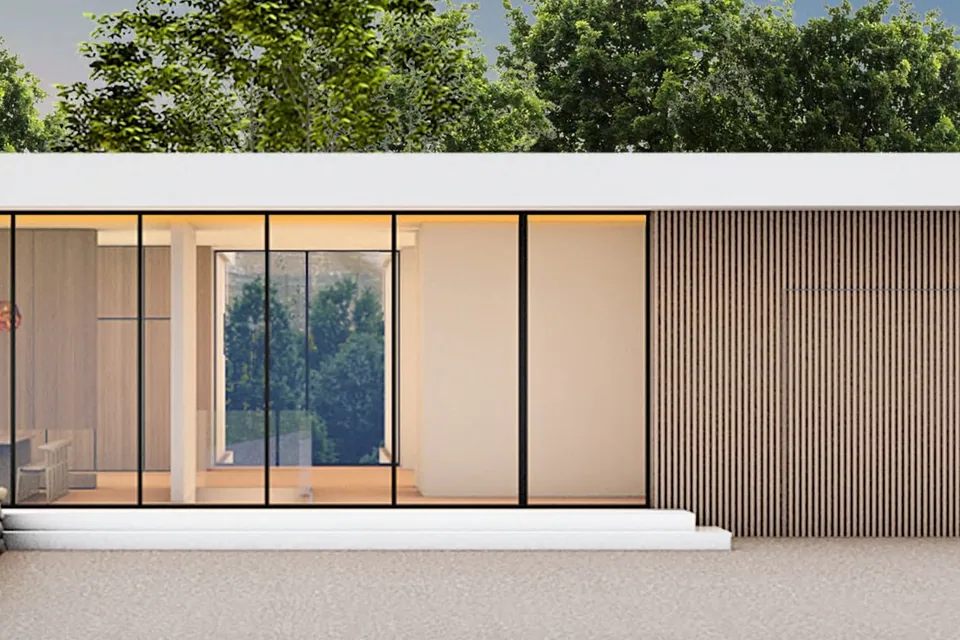
The Handover
A project is complete when the work is finished and the knowledge behind it is ready to be used.
Read →The Finished Edge
A room is not resolved by its materials alone. The decisive work happens where one surface meets the next.
Read →
Look Again
A first visit reveals attraction. A deliberate return shows whether the property can support a sound decision.
Read →
The Useful Constraint
A clear limit does not diminish a project. It gives every later decision something precise to answer.
Read →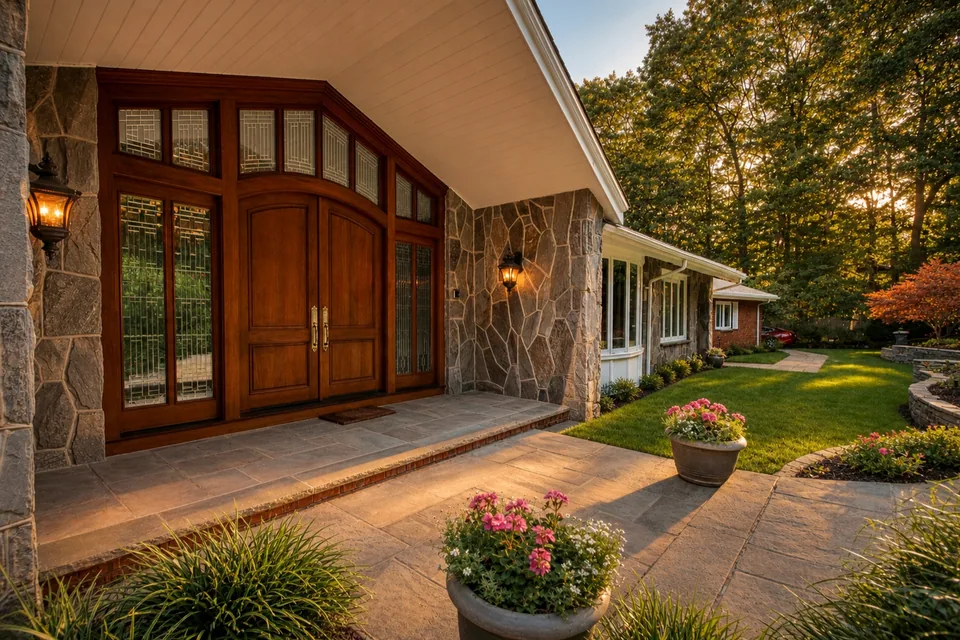
The Prepared Buyer
The advantage is not seeing more homes. It is being ready for the right one.
Read →
Decisions, Early
Every choice has two prices — the cost to choose, and the cost to change.
Read →
The Grain Remembers
A floor is chosen for its tenth year, not its first photograph.
Read →
The Quiet Market
Why the best homes rarely reach a sign.
Read →One Roof
What changes when design, build, and materials answer to the same table.
Read →
The Northern Valley, Read Closely
Alpine to Demarest — a region known by its character, not its map.
Read →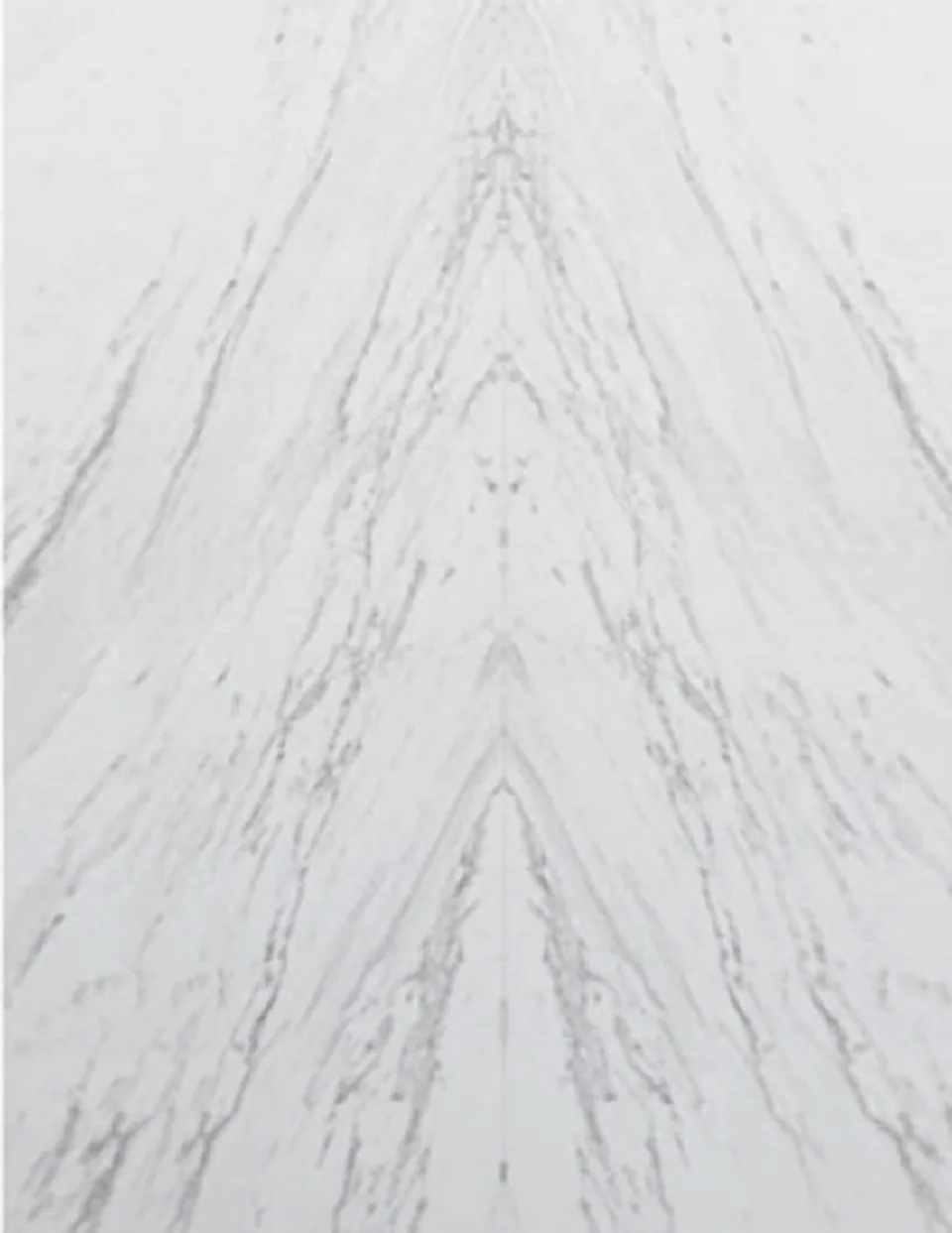
The Slab Speaks
Why the best stone is chosen in person — slab by slab, never from a photograph.
Read →
The Honest Number
An accurate price is a strategy. An inflated one is a slow, quiet cost.
Read →
Two Years of Winters
Anyone can deliver a house. The question is how it reads after a few seasons.
Read →