

Home Realty Design | Build Surfaces Journal Origins CloseQalc Connect

On Design | Build

One Roof

A serene white gallery interior with wide oak floors

Most projects lose something between the drawing and the door — a specified oak that arrives as a paler lookalike, a joint the render never had to solve. Held by one accountable team, that drift has nowhere to hide.

The Seam Problem

Every project passes through hands. An architect draws it. A builder makes it. Someone, somewhere, decides which stone actually ships. In the ordinary arrangement, each of those hands belongs to a different company with a different incentive, and the work is relayed between them like a message passed down a line.

Quality does not leak at the center of anyone's work. It leaks at the seams — the handoffs where a drawing becomes a decision, a decision becomes an install, a render becomes a material on a truck. The builder solves what the drawing left open. The supplier substitutes what the specification made inconvenient. None of it is malice. It is the physics of a divided process, and the owner absorbs the difference.

Quality does not leak at the center of anyone's work. It leaks at the seams.

One Table

B&Co. Design | Build was structured to remove those seams rather than manage them. Architecture, construction, and materials — B&Co. Surfaces — answer to the same table. The person who draws a detail is in the room when it is priced, and in the room again when it is set.

This is not a matter of convenience. It changes what a decision is. When the drawing, the budget, and the material are held together, a choice is made once, with its consequences in view, instead of made three times by three parties who never meet. Vision and outcome stop drifting because nothing is translated across a gap.
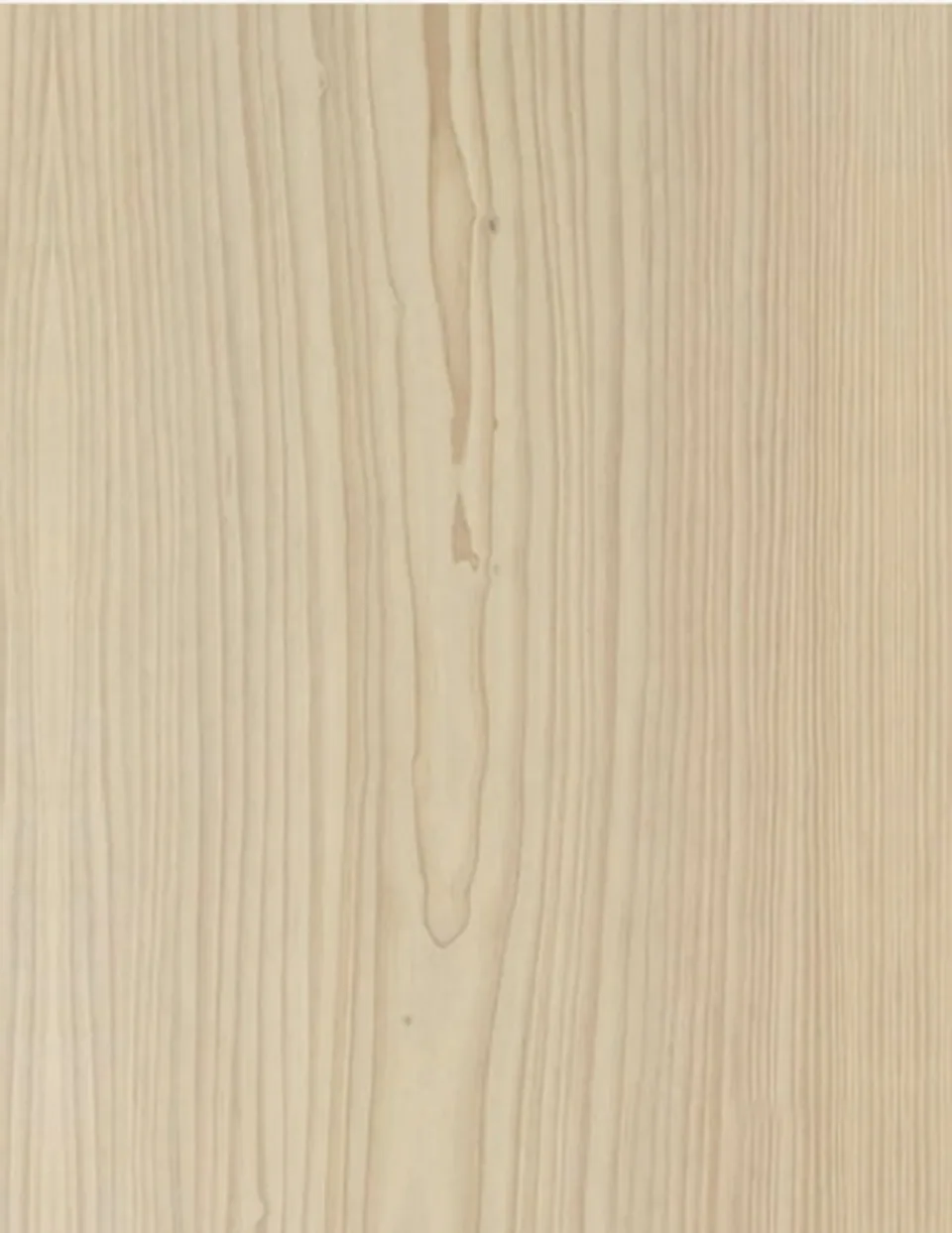
European oak flooring set in a warm, minimal room

What The Hand Reads

The proof is never in the plan. It is in the thing you touch. A white oak specified for its quarter-sawn grain has to remain that oak through procurement, or it is simply a paler board. A stone is chosen not for a swatch but for how a palm reads it — the drag of a honed edge, the weight of a slab that will outlast the room it settles into.

These are the details a buyer registers first, usually without naming them. The edge of a counter that holds its line. The seam that isn't there. The reveal that runs straight the length of a room. Continuity of intent is not a luxury feature. It is what the finished work quietly proves about how it was made.

One roof is not a slogan about square footage. It names an accountability — a single team that owns the distance between what was promised and what was built, and refuses to let that distance grow. Remove the seams, and the render stops being a hope. It becomes a description of the room you are standing in.

← All of the Journal Begin a Conversation →