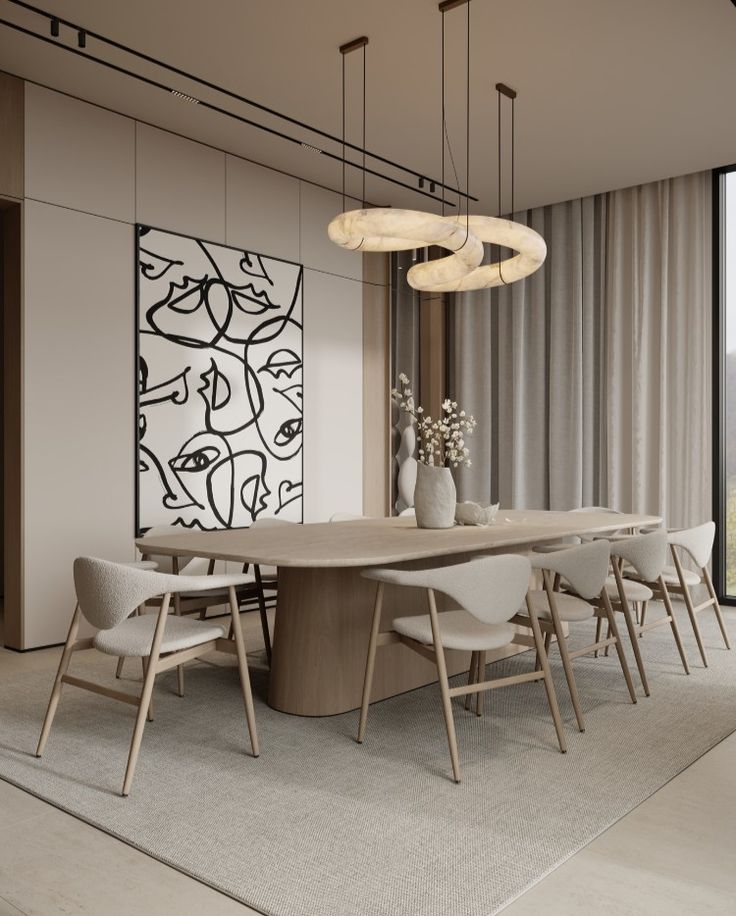
Editorial design reference: identify lighting, furniture, curtains and artwork as separate items.
Before making an offer, identify the individual items you expect to remain and ask for the agreed inclusions and exclusions to be recorded in the sale documents. A room’s appearance can depend on lighting, drapery, furniture and art. The photograph shows the arrangement; the transaction needs its own item record.
Name the pieces that matter
Begin with the detail that drew your attention. It might be the pendant above the dining table, the curtains framing a window or the cabinet beneath a painting. Write down the individual item and its location before discussing the room as a whole. A description such as the dining-room ceiling light gives the conversation a more useful subject than the broad impression that the house comes furnished.
Work around the room at an ordinary viewing pace. Identify the objects you would want to ask about, including the less conspicuous pieces that make the arrangement useful. Keep that observation separate from any answer about inclusion. A photograph can help locate a question, with permission to take it, but it should not be asked to decide what belongs in the transaction.
Bring the questions into the offer
The New Jersey Department of Banking and Insurance’s homebuying guide, read November 2, 2026, asks buyers to identify house items or attachments they would like included, giving appliances, drapes and chandeliers as examples. Use that prompt to prepare a specific discussion with the broker. Have the attorney review how the transaction’s documents address the items and any exceptions; a visual impression cannot resolve that legal treatment.
Keep the working record easy to read. Give each item its own entry and distinguish a question from a confirmed response. If the description could point to several objects, add a room, position or identifying detail. Avoid quietly turning an expected inclusion into an agreed one as the notes circulate. Carry unresolved questions forward explicitly, so a later conversation can find them without reconstructing the original viewing.
Admiring the room and identifying its contents are separate decisions.
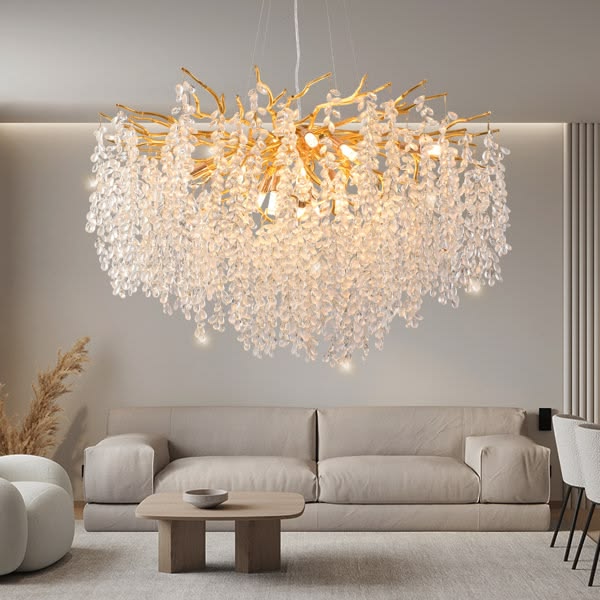
Separate lighting reference: identify the fitting independently from the furnishings beneath it.
Describe an exception precisely
If an item is expected to leave, ask what that means for the proposed arrangement. Is a replacement being discussed, or is the space to be considered without that piece? Bring the answer back to the document review rather than supplying a replacement in your imagination. Where work is proposed, identify the questions about the resulting condition and have the appropriate professionals resolve the scope. Do not infer a finished detail from a styling reference.
The same exercise is useful before a home is photographed for sale. Identify the pieces the owner intends to retain and discuss them with the broker while the campaign is being prepared. Keep the approved description and the item questions consistent as the conversation develops. A seller’s intended exclusion deserves a clear discussion before a buyer builds a different expectation around a photograph.
An object record should identify the object itself. A sculptural vase, a framed work and the surface beneath them may read as a single composition, yet they can require separate questions. Note which piece is under discussion instead of writing the display or everything shown. Leave authorship, material, value and ownership unclaimed when those details have not been established. Identification is useful even before those other questions have answers.
AI-modified editorial reference, as labeled by the source: a sculptural vase shown as an individual object.
Carry the record to the later visit
Keep the item record beside the current transaction documents and bring any differences to the broker and attorney. During a later agreed visit or walk-through, compare the actual items with the reviewed record. If something appears different, describe the discrepancy precisely and ask for it to be addressed through the transaction’s process. The observation should remain factual; the response depends on the agreement and professional review.
A future furnishing or renovation brief has a different purpose. It can explore another light, a new curtain arrangement or a different way to display art. Keep those possibilities visible as proposals, separate from the record of what is being offered. That distinction lets the property discussion proceed without borrowing certainty from a design idea. A composed room is a reason to look closely. A clear item record keeps its attractive details from becoming unanswered questions.