One Name, Many Grammars
From a distance the Northern Valley resolves into a single line: a run of Bergen County towns pressed between the Palisades and the state's western edge. It is a useful shorthand, and like most shorthand it flattens more than it holds. The region shares a spine and little else. What it does not share is grammar — the rules by which each town sets a house on its land.
Read closely, the towns diverge street by street. A setback in one place is an open lawn; in another it is a screen of mature canopy that closes over the road by June. Lot lines that feel generous on one block would read as tight two miles east. To take the region as one market is to mistake the paragraph for the sentence. The county-wide figures on the Bergen County market page are the backdrop those towns move against, and that page says the same thing in its own words: the county median is not a read on any one of them.
A property is priced by its street before it is priced by its finishes
Alpine to Demarest
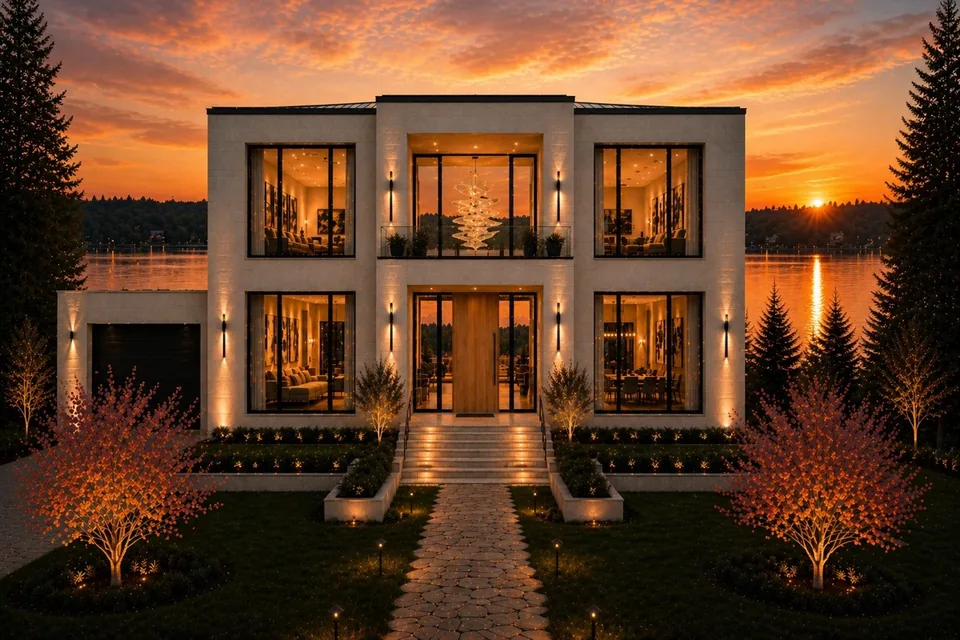
Alpine is written in acreage and distance — long approaches, deep buffers, houses held back until the architecture becomes a rumor from the road. Tenafly answers with a center you can walk, a downtown grain where the built fabric tightens and a block is measured in storefronts rather than driveways. One is not the correct reading of the other. They are two languages for the same idea of home.
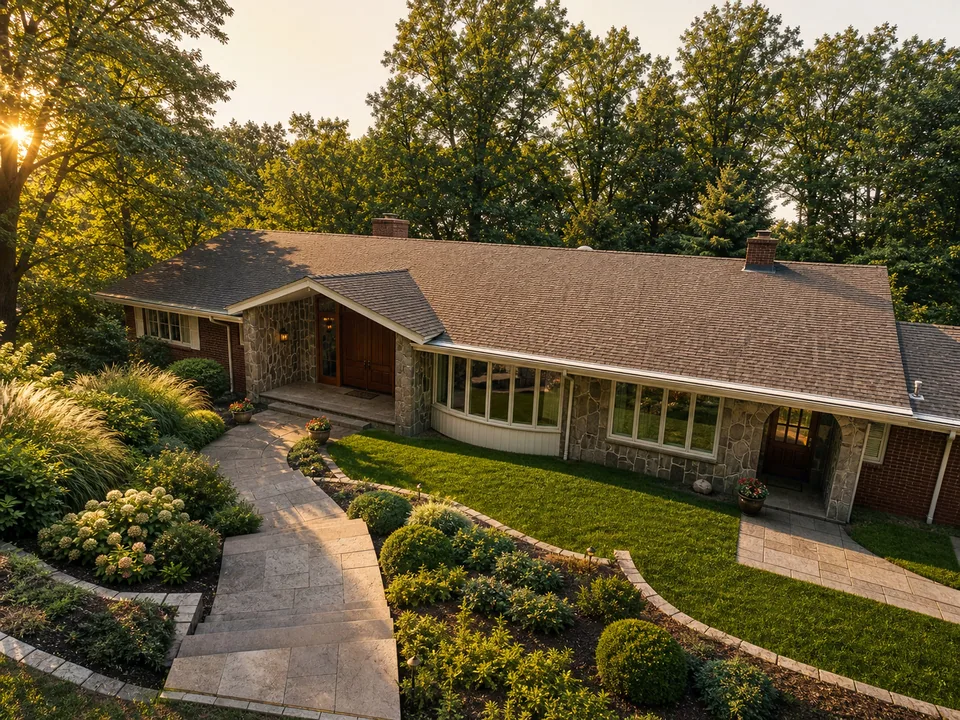
Demarest keeps its wooded lots and lets the trees set the terms; the canopy is the first thing a house negotiates with. Cresskill works at a closer grain — a finer weave of streets and frontages, houses set near enough to hold a line rather than stand alone. And Closter, where this firm keeps its address, holds a middle register: a working center, deep residential streets, a town that rewards being read slowly.