
Home Realty Design | Build Surfaces Journal Origins Press CloseQalc Connect

On Working Documents

Which Plan?

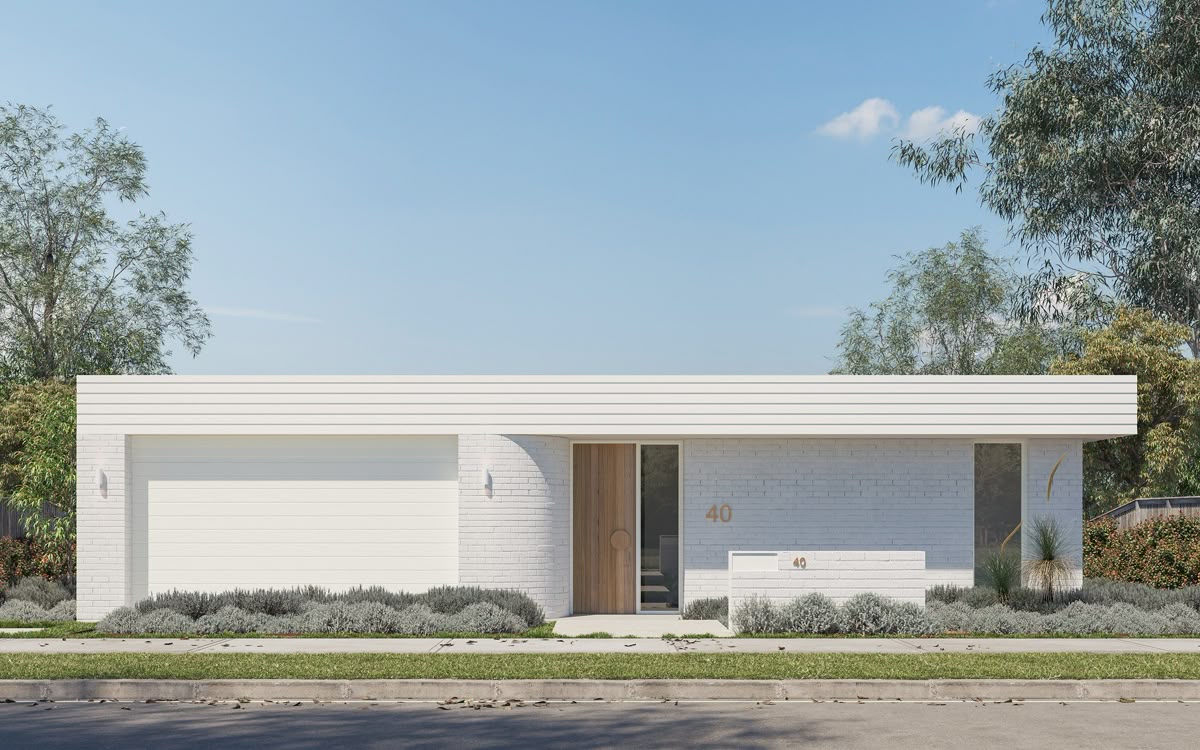
Illustrative rendering of a low white residence with a broad garage door, brown entry door and planting

Before using a drawing, establish what it was prepared to show and which version is current for the discussion. Keep that purpose beside the plan as it moves between acquisition, design and material selection. A useful working set makes the basis of the conversation easy to find.

Give the drawing a job

A plan can arrive as part of a property presentation, a record of an earlier layout or a proposal for future work. Begin by asking its author or provider what the document represents. Put the answer where the next reader will see it. The filename alone may offer very little help when a sheet has been forwarded, printed or separated from its accompanying message.

Keep the property’s existing records beside the proposed direction, with their roles clearly identified. The B&Co. Realty valuation guide asks an owner to prepare available floor plans and records of additions or renovations. When bringing those documents into a design discussion, add their source and the questions still open about them. A document can be useful evidence while leaving something to be established.

Write the immediate question against the drawing. Are you considering where a room should open, comparing arrangements for furniture or reviewing a particular detail? This helps an owner respond to the intended decision. It also gives the project team a way to identify what further information is needed before that response can become an instruction.

Read the views together

Consider a fireplace in a proposed room. A plan gives the discussion a position in the room; a frontal view lets the reviewer consider its relationship with the shelves and the wall above. Ask the team to bring the relevant views into the same review. If the position moves, identify which other drawing needs another look before treating the arrangement as settled.

Keep a reference photograph or rendering visibly labelled as a reference. It can make a shape or atmosphere easier to discuss. For a dimension, junction or installation question, ask for the document prepared to address that question and for any verification still required. The illustrations in this essay are references from the Beyder&Co. Pinterest collection; they do not document a Beyder&Co. project or an intended result.

A drawing should travel with the question it is meant to answer.

Make disagreement between views easy to notice. Place the relevant sheets beside each other and mark the location being discussed. If the images suggest different arrangements, record the question for the person responsible for resolving it. This keeps a preference for one attractive view from becoming an accidental assumption about the rest of the proposal.
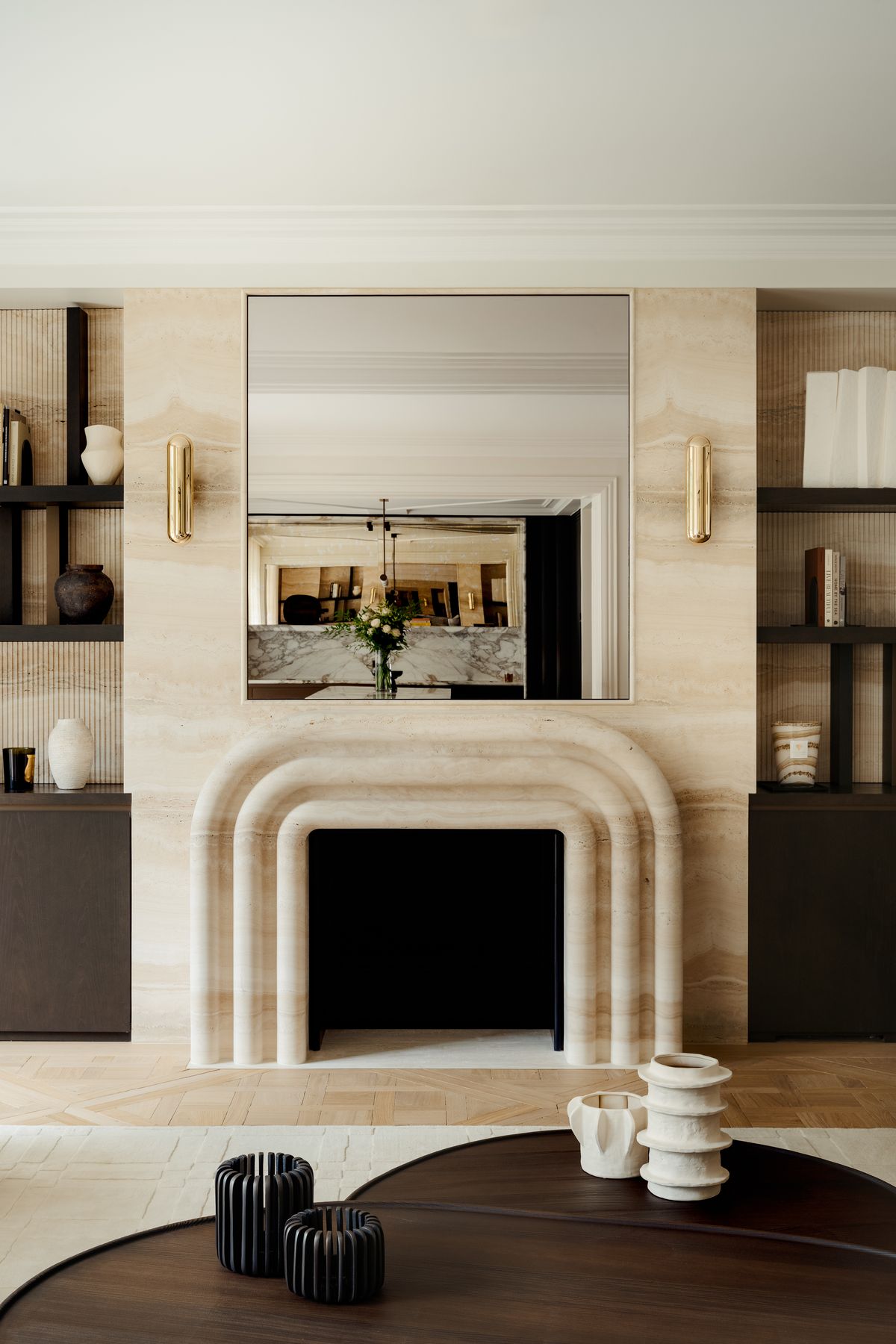
Illustrative pale fireplace surround beneath a large mirror, between dark shelves with books and decorative objects

Bring the material decision into the set

The published B&Co. Design | Build process coordinates design, construction and material selection. A working set can support that conversation by keeping a material choice beside the drawing it relates to. When discussing a surround, identify the proposed finish on the relevant view and ask the team how the sample, its extent and the adjoining surfaces are to be read together.

A small sample is an object; its proposed place in the room is a separate part of the discussion. Keep the room reference with the sample note so that a later reader can understand what was being considered. Where a selection remains open, name the open question. A blank field is much less useful than a clear note that the edge, finish or adjoining piece still needs review.

Give an accepted choice a traceable reference to the drawing used in that review. Include the document’s own identifier and version where available, and describe the location in ordinary words. This is a recommended way to organise an owner’s project conversation, rather than a substitute for the project team’s specifications or its instructions for carrying out the work.

Keep the current discussion legible

When a replacement drawing arrives, ask what changed and which related views remain current. Keep the earlier issue available as a record, with its superseded status clear. Give the active discussion a direct link to the replacement. An old attachment can still explain an earlier decision without being the document on which the next decision depends.

End a review by naming the document considered, the decision reached and the question that remains. Ask the project team to confirm where that response belongs in the current set. Before the next conversation begins, open the same set together. The useful test is whether everyone can point to the drawing being discussed and explain the job it is doing.

← All of the Journal Begin a Conversation →